A repeatable 3 step system to find reliable Alibaba suppliers, use the right Alibaba supplier filters, avoid common scams, and build a shortlist you can trust.
If you are searching for how to find reliable Alibaba suppliers without wasting days on low quality replies, this guide gives you a clear system. You will learn the exact filters that usually remove most risky suppliers, how to prioritize factories with real export experience, which certifications are worth checking early, and how to spot red flags before you pay anything.
- Start in Suppliers view, then apply Trade Assurance and Verified Supplier first to reduce risk fast.
- Filter by export markets and certifications to find suppliers familiar with your target region and compliance expectations.
- Use a simple scoring method for replies and listings so you do not choose based on price alone.
- Learn common red flags to avoid Alibaba scams while staying neutral and practical.
- Once you have 10 to 30 candidates, move to outreach with a proven Alibaba supplier message template and a shortlist workflow.
- 3 Steps to Quickly Find Trusted Suppliers on Alibaba
- Before you start: search the right way
- Step 1: Trade Assurance and Verified Supplier filters
- Step 2: Export markets and certifications filters
- Step 3: Evaluate listings by experience, location, and product fit
- Example filtering journey: from 1200+ to about 100
- Red flags when reviewing Alibaba suppliers
- Market specific checklist for US, EU, and UK
- Research to supplier workflow with SellerSprite
- Next step: how to contact your shortlist of suppliers
- FAQ
- About the author
- References
3 Steps to Quickly Find Trusted Suppliers on Alibaba
Alibaba gives you thousands of options. The fastest way to find trusted manufacturers on Alibaba is to filter in layers, then evaluate the survivors with a consistent checklist.
Before you start: search the right way
The most common mistake is searching in the default view. If you search products, you often see duplicates, traders reposting the same factory items, and a noisy list that is harder to compare.
- Create an Alibaba account so you can save suppliers and message them.
- In the search bar, switch from Products to Suppliers before you search.
- Use one clear keyword and one clear spec modifier. Example: "silicone soap mold" plus "food grade" if relevant.

Step 1: Trade Assurance and Verified Supplier filters
If your goal is trusted suppliers on Alibaba, these two filters are usually the fastest first cut. They do not guarantee perfection, but they reduce the number of high risk options quickly.
In a typical search, applying these two filters can reduce results dramatically. As an example workflow, it is normal to go from 1,200+ suppliers down to about 300 after you apply both filters. That makes the next steps faster and more consistent.
Step 2: Export markets and certifications filters
Now that you removed obvious risk, the goal is to find suppliers who already serve your target region and have the right compliance habits. This improves quote quality and reduces surprises after you pay for samples.
Filter by export markets to match your target region
Look for Markets Served or Export Markets in the sidebar. Choose the regions you sell into, then apply. If you sell in North America or Western Europe, this filter often improves supplier familiarity with labeling, testing, and documentation expectations.
Filter by certifications to improve baseline quality
Certification filters vary by category, but three common signals for operational maturity are ISO 9001, BSCI, and ISO 14001. These are not product specific approvals, but they often correlate with better documentation habits and more stable processes.
- ISO 9001: quality management systems and repeatable process control.
- BSCI: social compliance practices and audit culture.
- ISO 14001: environmental management systems and compliance discipline.
Step 3: Evaluate listings by experience, location, and product fit
After filters, you should still assume you are screening for quality. The goal is to rank suppliers by how likely they are to deliver consistent production, clear communication, and predictable lead times.
Experience: years on Alibaba and export behavior
- Years on Alibaba: long presence can reduce fly by night risk. Be cautious with brand new accounts, especially when combined with vague answers.
- Response discipline: good suppliers answer questions in order and attach documents without drama. Reply quality is part of supplier quality.
- Order structure comfort: reputable suppliers are usually comfortable with a structured sample then first order path.
Location: manufacturing hubs and specialization
Supplier location helps you understand ecosystem strength. Some regions specialize by category, which can improve access to materials and subcontractors. Example: Dongguan is known for plastics and silicone supply chains.
- Do they clearly state what they manufacture vs what they resell?
- Do product photos look consistent and original, or like copy pasted catalog images?
- Do they show relevant production capability for your product, not just generic factory claims?
- Do they communicate lead time and MOQs clearly before you chase them?
Manufacturer or trading company: how to decide fast
Both can work. Manufacturers often offer better control and customization. Trading companies can be useful when you need a broader catalog or want one contact to coordinate multiple sub suppliers. The key is to confirm who actually produces the item and who controls quality.
Example filtering journey: from 1200+ to about 100
Here is a practical way sellers often shrink a huge supplier list into a shortlist that is ready for outreach. The numbers will vary by niche, but the structure is repeatable.
Red flags when reviewing Alibaba suppliers
If you want to avoid Alibaba scams, you need a simple red flag list that you actually use. Keep it neutral: a red flag is not a conviction, it is a reason to ask one more question or move on.
- Off platform payment pressure in the first message, especially if they refuse Trade Assurance for a first order.
- Vague answers to basic questions like MOQ, lead time, and material spec, or they ignore half your questions.
- Unrealistically low price compared to the market range, without a clear explanation of material or process differences.
- No willingness to provide proof for certifications, factory photos, or a sample plan.
- Inconsistent company story across profile, listings, and chat. Example: they claim they are a factory but cannot explain production steps.
- Aggressive urgency tactics that push you to pay before specifications are written and confirmed.
Market specific checklist for US, EU, and UK
Filters help you find candidates, but compliance questions help you find suppliers who can actually support your market. Use the checklist below as a starting point and adapt it to your product category.
Research to supplier workflow with SellerSprite
A common pattern is: validate demand first, then source with confidence. If you already found a product opportunity in SellerSprite, you can jump into Alibaba sourcing faster instead of starting from scratch.
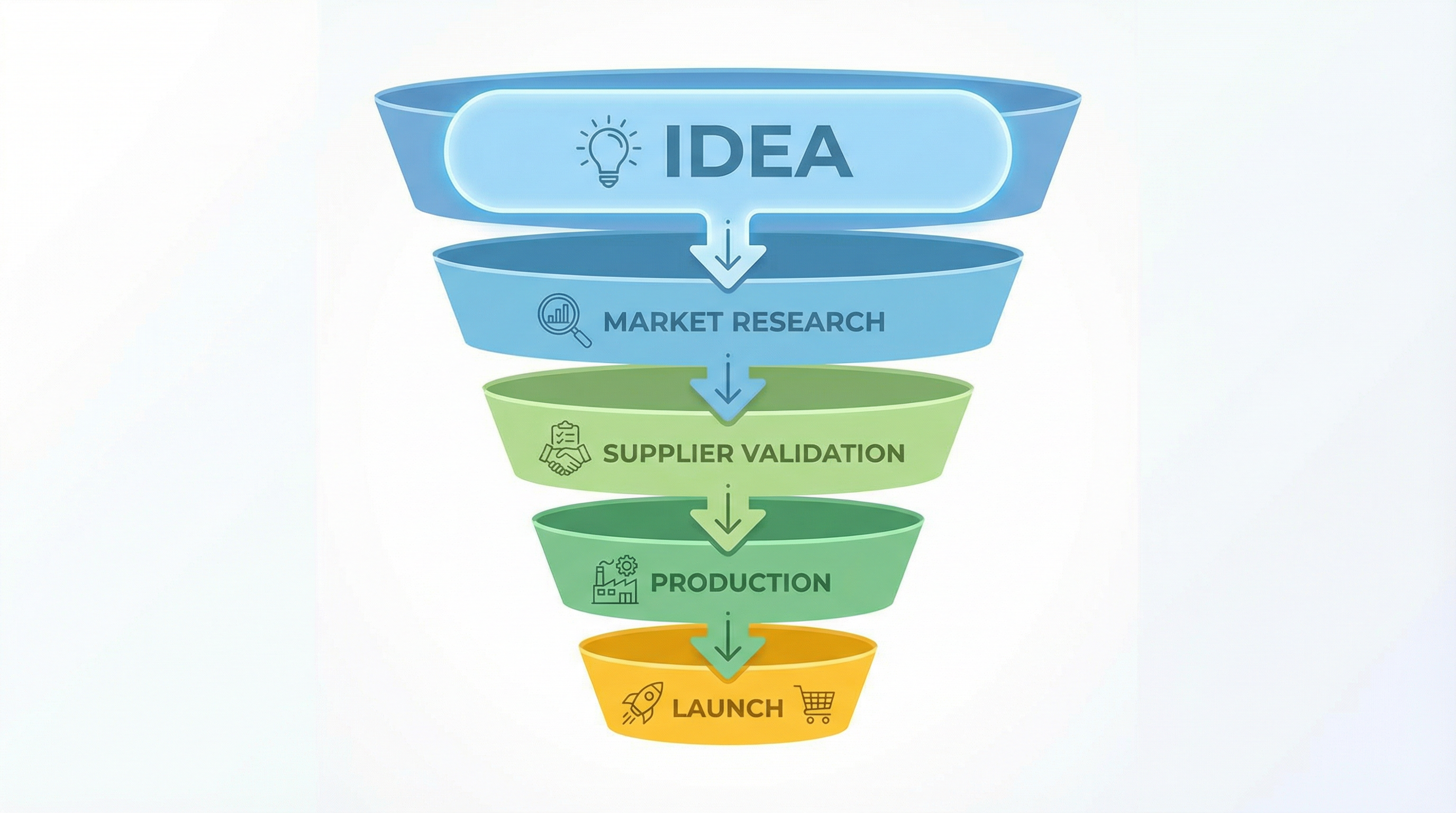
- Research your product in SellerSprite.
- Click the Alibaba option to find similar products based on image similarity.
- Apply the filter layers in this guide to build a shortlist.
Next step: how to contact your shortlist of suppliers
After you filter down to 10 to 30 suppliers, your next job is outreach. Use a short first message that is easy to answer, then score replies so you can compare suppliers objectively.
FAQ
What is the fastest way to find reliable Alibaba suppliers?
Start in Suppliers view, apply Trade Assurance and Verified Supplier first, then filter by export markets and certifications. After that, shortlist based on experience and reply quality, not price alone.
Which Alibaba supplier filters matter the most?
For most categories, Trade Assurance and Verified Supplier are the strongest first layer filters. Export markets and certifications are strong second layer filters when you sell into regulated regions.
How do I avoid Alibaba scams without overreacting?
Use platform protections for the first order, require written specs and timelines, and watch for off platform payment pressure. If answers are vague or inconsistent, keep your pipeline full and move on.
Which certifications matter for selling in the EU or US on Amazon FBA?
It depends on category, but keywords often include CE, RoHS, and REACH for EU, and FDA or CPSIA for certain US categories. Ask suppliers what they have done for similar products and request relevant test reports.
How many suppliers should I shortlist before contacting?
A practical baseline is 10 to 30. You will usually get better leverage, more comparable quotes, and a clearer view of quality when you do not rely on 1 or 2 replies.
Share Your Sourcing Journey With SellerSprite Community
Join the SellerSprite community on the Facebook Group to share your sourcing journey, ask questions, and get support from fellow Amazon sellers.
About the author
SellerSprite Team. SellerSprite is an Amazon seller platform used by 1.6M+ registered sellers worldwide, with 700K+ browser extension installs, refined over 8+ years of product and workflow iteration. We publish step by step playbooks that help sellers move from product validation to supplier execution with fewer mistakes.
References
View The SellerSprite Course Directory
Ready for the next step? Open the SellerSprite Academy course directory to continue building your Amazon FBA skills chapter by chapter.