Want to sell books on Amazon but not sure where to start? This guide walks you through selling books on Amazon as an author, a casual seller clearing shelves, or a reseller building a side business. You will learn how to sell books on Amazon step by step, how to sell a book on Amazon using ISBN or ASIN, how to sell books on Amazon with the right account plan, and how to approach new and used inventory with confidence. We will also clarify what people mean by sell books to Amazon and why marketplace selling is usually the better path.
Throughout the guide, you will see how SellerSprite can support smarter decisions, from spotting demand patterns to choosing competitive prices. You do not need a huge budget or a perfect system to begin. You just need a clear process and a willingness to learn.
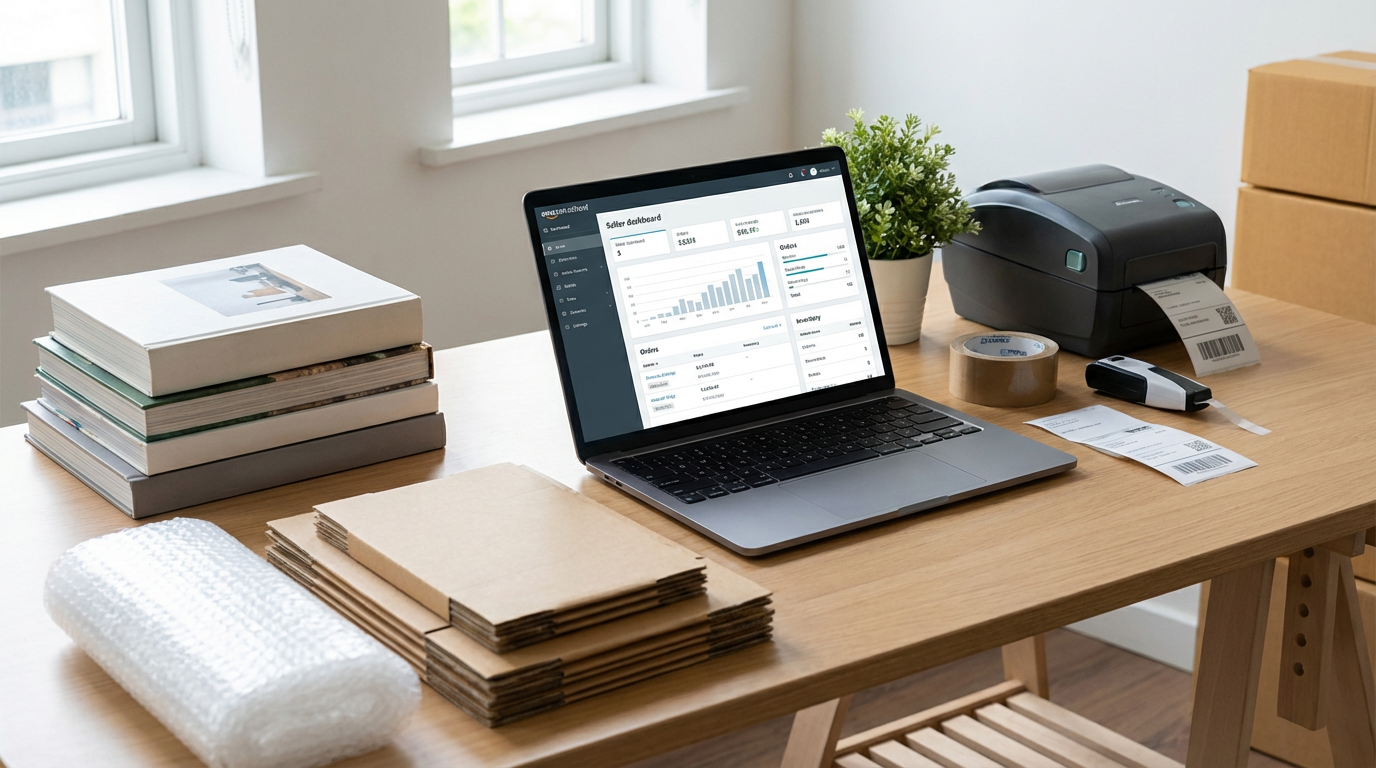
Why Sell Books on Amazon?
Amazon as the World's Largest Bookstore
Amazon remains one of the most active places in the world for book discovery and purchasing. That reach matters because the more shoppers you can access, the higher your chances of making consistent sales. If you are selling books on Amazon for the first time, the platform already has the traffic, the payment system, and the buyer trust that helps new sellers get started faster.
Books also have clear identifiers like ISBN, which makes listing simpler compared with many other categories. In most cases, you can attach your offer to an existing product page and focus on what matters, which is condition, price, and fulfillment.
Who Can Sell Books?
- Individuals clearing old books who want to turn unused shelves into cash.
- Entrepreneurs reselling used books who source inventory locally and sell online for profit.
- Authors and publishers who want to reach readers at scale.
Understanding Your Options for Selling Books
Listing on Amazon Marketplace vs Amazon's Trade In Program
Most people who want to sell books on Amazon will do it by listing on the Amazon marketplace. This means you sell directly to customers, set your price, and choose how to fulfill orders. This is also the most flexible path for both new books and used books.
You may also hear people say sell books to Amazon. In practice, most sellers should focus on marketplace selling because it gives them more control and often better payout per book. If you want a simple and repeatable process, marketplace selling is the core skill to learn.
New Books vs Used Books
- New books require clean inventory, reliable sourcing, and competitive pricing.
- Used books rely on accurate condition grading, smart sourcing, and margin awareness.
If you are selling second-hand books on Amazon, small details create trust. Your condition notes and packaging quality matter as much as price. If you prefer the same idea phrased differently, selling 2nd hand books on Amazon follows the same fundamentals, honest grading and clear expectations.
How to List a Book for Sale on Amazon
Step 1: Create a Seller Account (If You Haven't Yet)
If you are brand new, start by creating a seller account in Amazon Seller Central. This is a one-time setup that lets you list books and get paid. Choose an account plan that fits your expected volume. Many casual sellers start with an Individual plan, while resellers who list frequently often prefer Professional for workflow and scale.
Where SellerSprite helps at the account stage
- Use SellerSprite data to validate book niches before you invest in inventory.
- Track demand patterns so you know which books are seasonal and which sell steadily.
Step 2: Find the Book's Listing via ISBN or ASIN
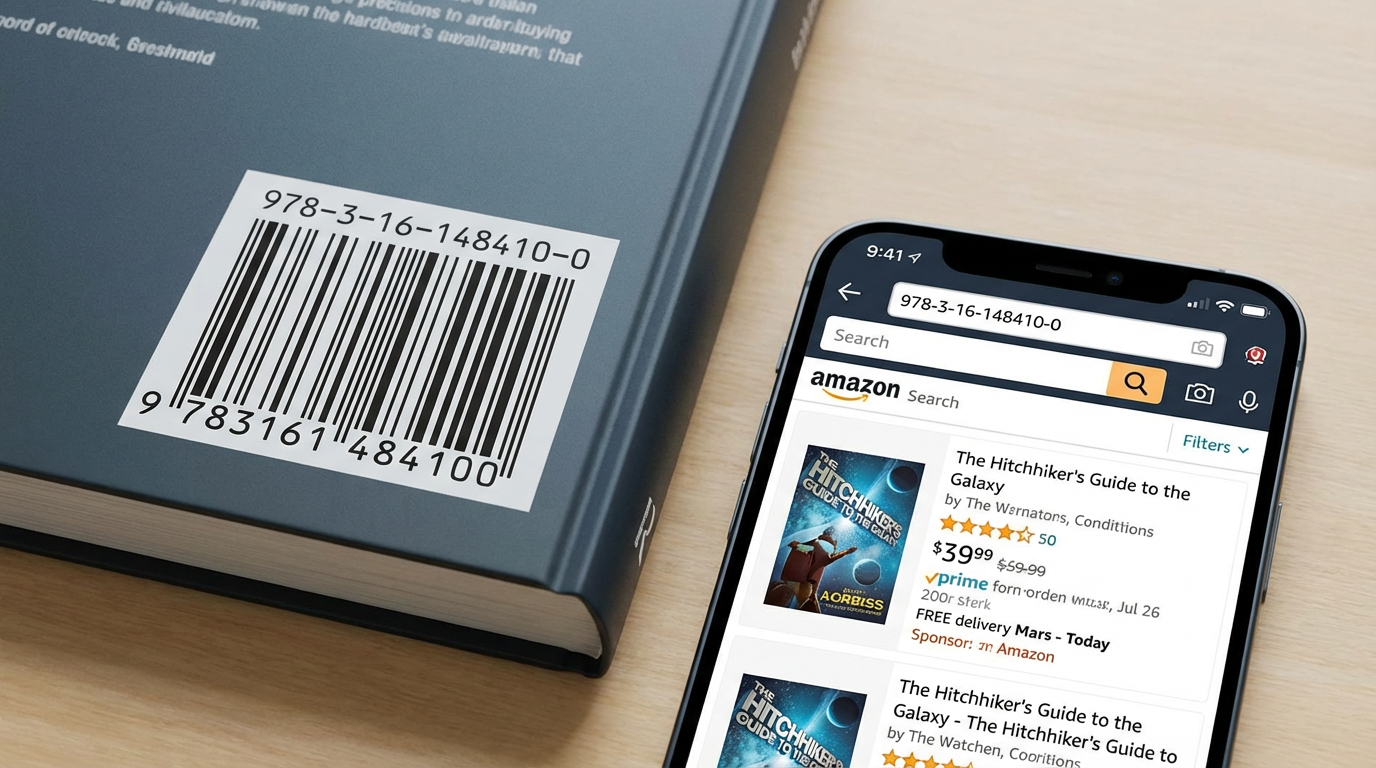
Most books already have a product page on Amazon. The easiest way to list is to locate the correct edition using ISBN or the Amazon ASIN, then add your offer to that listing. This is the fastest answer to how to sell a book on Amazon when you are just starting.
Step 3: Set the Condition and Price
Condition builds trust and protects you from returns. Price determines whether you get the sale and whether the sale is worth your time. If you are wondering how to sell books on Amazon profitably, this step is where the outcome is decided.
Simple condition guidance
- Like New looks almost untouched with no obvious wear.
- Very Good has light wear but stays clean and solid.
- Good shows normal wear and may include minor notes or highlighting.
- Acceptable is worn but still complete and readable.
For used books, always add clear condition notes. Mention highlighting, writing, stains, missing dust jacket, or any significant wear. Customers appreciate honesty and it protects your seller performance.
Pricing with confidence using SellerSprite
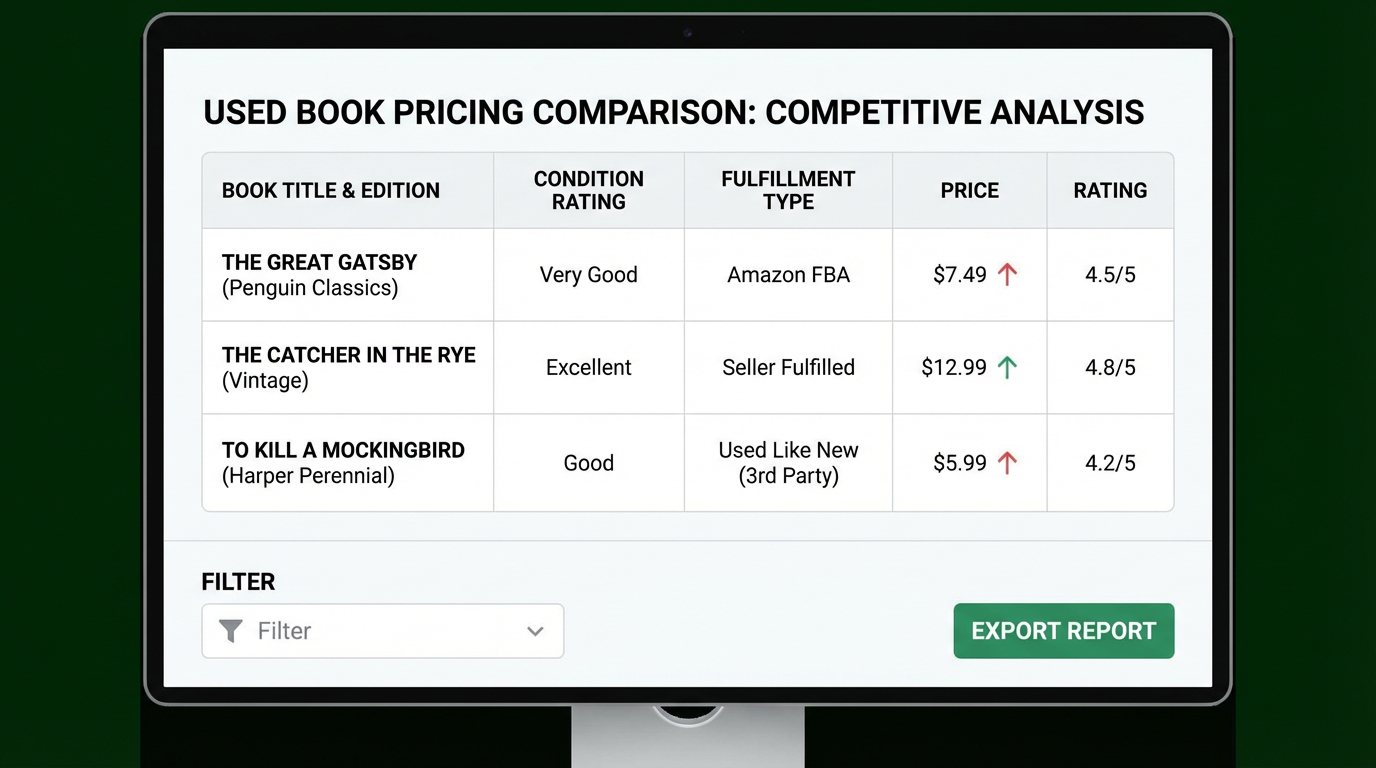
Use SellerSprite to understand the competitive landscape. Review price ranges, sales patterns, and demand signals before you commit to pricing. This helps you avoid pricing too low to make profit or too high to get ignored.
Step 4: Choose Fulfillment Method
- Ship yourself when you want to start small and control the process.
- Use FBA when you want Prime eligibility and easier operations at scale.
If you are testing the waters and asking how to sell books on Amazon with minimal upfront complexity, start with shipping yourself for a small batch. If you are building a catalog and want a repeatable workflow, FBA can help you scale.
Selling Second-Hand Books (Used Books) Successfully
Sourcing Used Books
- Your own shelves and storage boxes
- Thrift stores and charity shops
- Garage sales and estate sales
- Library sales and community events
The strongest sourcing habit is checking demand before you buy. SellerSprite can help you understand which book topics and niches have steady interest, so you are not guessing with your budget.
Evaluating Book Condition Accurately
- Check covers, corners, and spine for creases and wear
- Flip through pages for writing, highlighting, stains, or missing pages
- Note any odors or moisture damage and avoid moldy books
- Write clear condition notes that match what a buyer will see
Accurate grading is the foundation of selling second-hand books on Amazon successfully. It reduces returns, protects your seller metrics, and builds trust over time.
Pricing Used Books for Profit
Used book pricing is about margin, not just the sale. Before you list, check competing offers and consider fees, shipping, and your sourcing cost. SellerSprite can help you spot price patterns and demand signals, so you can price with more confidence.
Tips to Boost Book Sales on Amazon
Writing an Informative Book Description
If you are an author creating a new listing, your description should help readers quickly understand what the book is about and who it is for. Keep it easy to scan, focus on benefits, and avoid hype. If you are a reseller, you can still stand out through clear condition notes and accurate edition details.
Use SellerSprite to match reader intent
SellerSprite can help you understand the phrases and topics readers care about. Use those insights to shape your description and keywords in a natural way, especially for new listings and niche titles.
Using Fulfillment by Amazon for Books
- Prime eligibility can increase conversion
- Amazon handles shipping and customer service for many cases
- Better operational consistency when you scale inventory
FBA is most helpful for books that sell steadily. For slow movers, shipping yourself can reduce storage risk. Use SellerSprite to track demand patterns and decide which books are good candidates for FBA.
Encouraging Customer Reviews
If you are the author, focus on helping readers leave honest reviews by delivering a great experience and setting the right expectations in the description. If you are a reseller, focus on seller feedback by shipping on time, packaging well, and matching your condition notes. Trust is a compounding advantage for selling books on Amazon.
Build a smarter book-selling workflow with SellerSprite
Use SellerSprite to spot demand signals, compare pricing ranges, and improve your listings. Perfect for anyone selling second-hand books on Amazon and ready to scale with confidence.
Conclusion: Turn the Page to Profit
Scaling a Book-Selling Business
- Expand inventory gradually and focus on titles with steady demand
- Track what sells best and double down on the categories that work for you
- Use SellerSprite insights to spot patterns and avoid guesswork
Final Encouragement for Book Sellers
If you are still asking how to sell books on Amazon, the simplest answer is to start with one book and learn by doing. Keep your condition notes honest, price for profit, and improve your process every week. Whether you are selling books on Amazon from your own shelves or building a sourcing routine, consistency turns small wins into real momentum.
And if you prefer the used book angle, remember that selling second-hand books on Amazon and selling 2nd-hand books on Amazon are the same game, accurate grading, clear expectations, and smart pricing. Keep going, your next profitable find could be on the very next shelf you check.